
Our world matters...
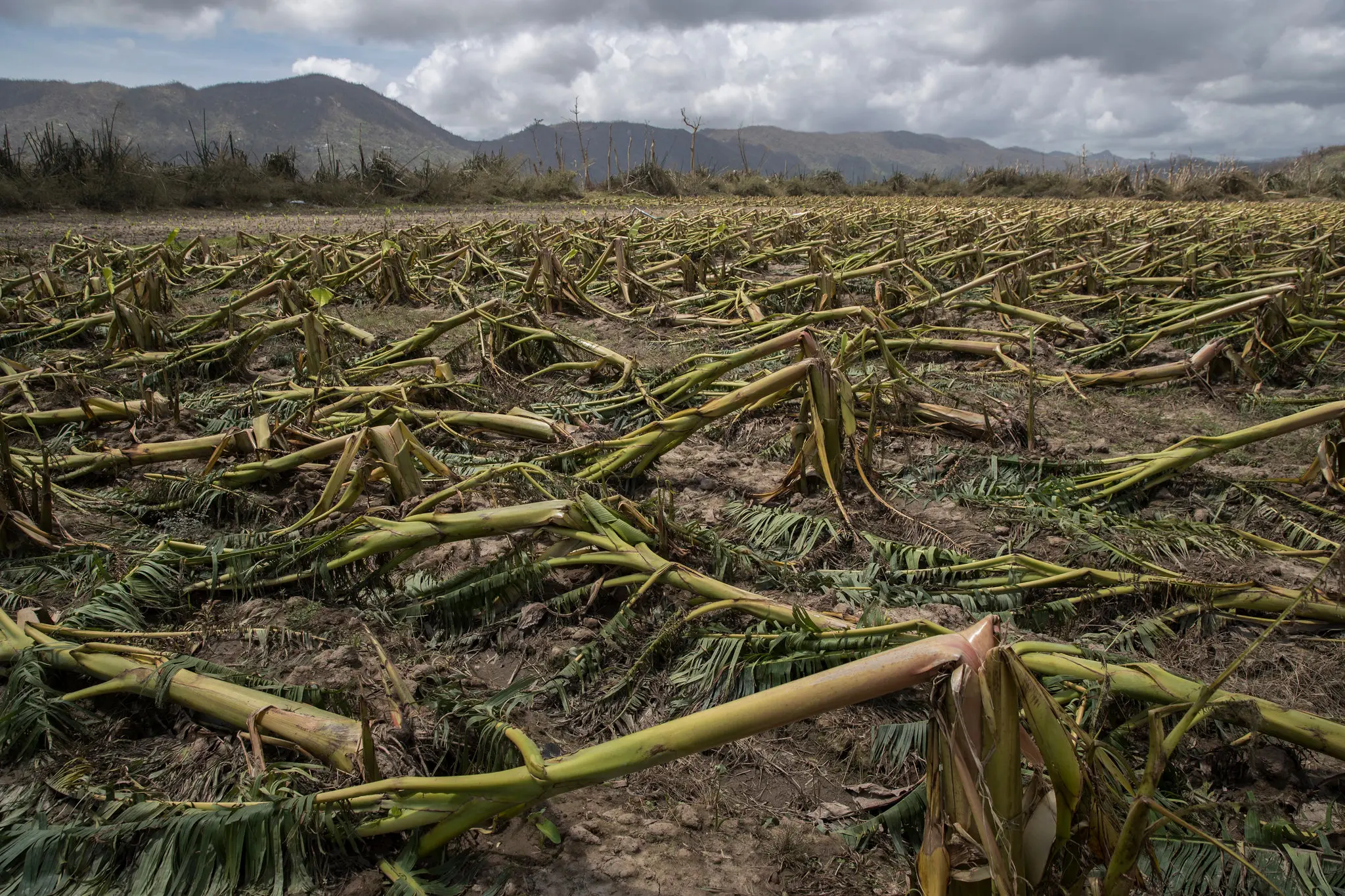
Droughts
Droughts are becoming more and more common. In fact, 68% of droughts were made more likely or severe due to human activity.
Extreme Storms
Extreme storms include heat waves, downpours, severe floods, wildfires, and more. The frequency of their occurrence has increased due to the rise in greenhouse gasses.
Rising sea levels
Sea levels have been rising at an alarming rate. Predictions state that one third of Bangkok, Thailand could be underwater by 2025, causing 11 million people to lose their homes.
Poverty
Greenhouse gasses can indirectly cause less food production through damaged food production and polluted water, increasing poverty.
The average American produces 106,000 lbs of CO2 per year, which is equivalent to burning 53,000 lbs of coal.
Learn how to helpWhy Should You Care?
30% of GHG emissions were from commercial and residential in 2021. Greenhouse gasses are increasing at around 1.7% per year. These gasses trap heat within our atmosphere, resulting in extreme storms, droughts, and rising ocean levels. These can indirectly cause less food production and increase in poverty.
What Can You Do?
Save Energy
You can reduce energy use through energy efficiency. Your home uses a vast amount of energy for heating, cooling, and lighting. To abate this, you can buy energy-efficient appliances and electronics, such as refrigerators, cooling systems, and LED lighting from Energy Star. Their products meet the energy efficiency guidelines set by the U.S. Environmental Protection Agency (EPA). The next time you need to replace a household appliance, consider choosing one from Energy Star or other sustainable options!
Use Clean Energy
You can also supply your house using clean energy rather than fossil fuels. Clean energy sources, such as solar panels, are on the rise. If you aren't in an area where solar panels are an option, you can also consider green roofs or energy-efficient windows -- both of which can help reduce energy consumption.