
Electric Vehicles
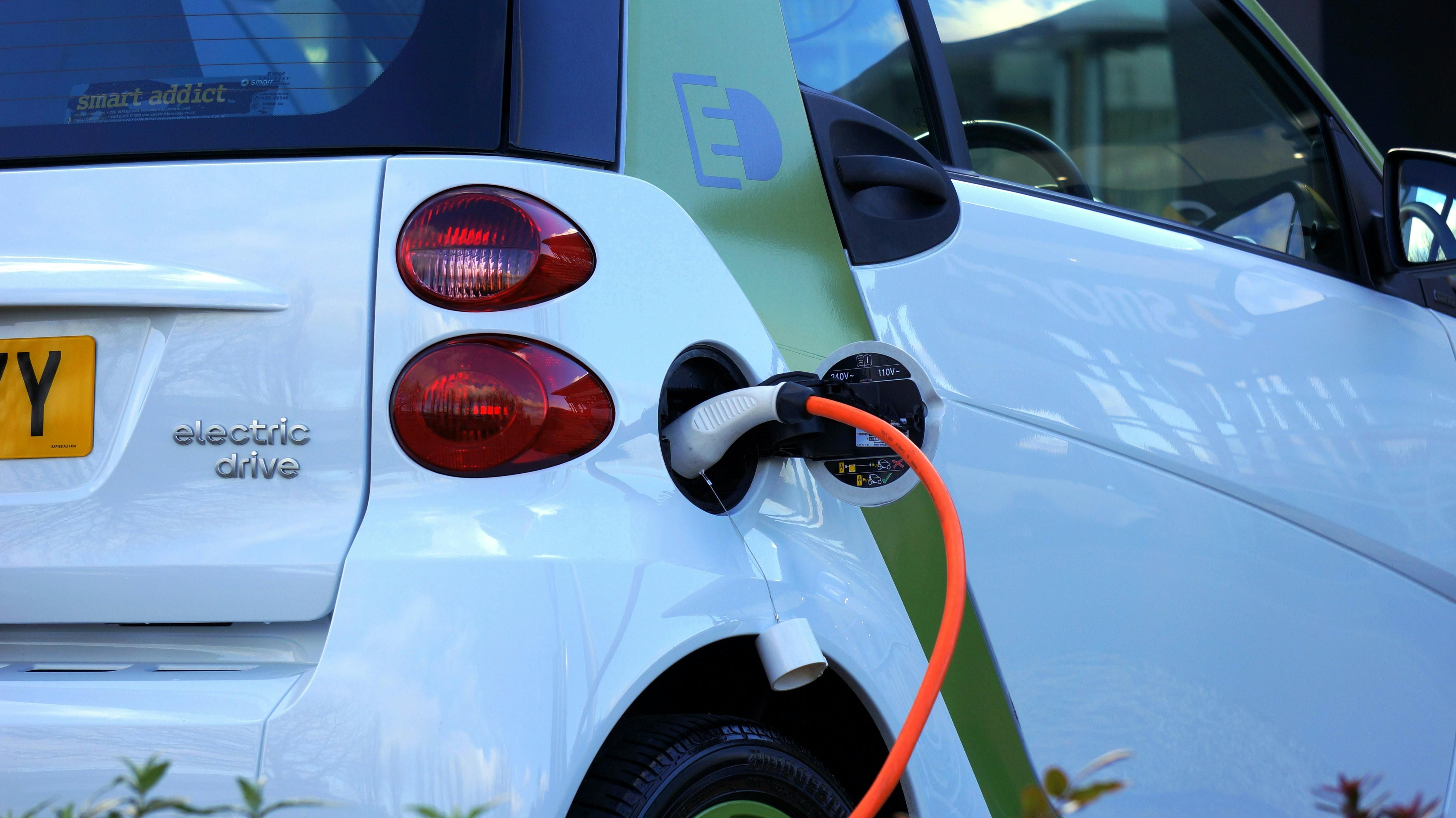
Electric vehicles are a sustainable alternative to traditional gas powered vehicles. They produce no carbon emissions while running, so they significantly reduce your carbon footprint. Electrical vehicles not only don’t depend on gas prices, which are on the rise, they also have less moving parts so they require fewer repairs. Overall, they are cheaper to maintain than gas powered vehicles. As a result, they are becoming more popular as well as more affordable to purchase. The Clean Vehicle tax credit lets you save up to $7,500 when purchasing an electric vehicle.
Benefits
- Lower fuel costs
- Reduced maintenance costs
- Zero emissions
- Longer lifespan
Disadvantages
Electric vehicles have a high upfront cost, even if they do save on money spent on fuel over time. They also have a limited range, often having ranges between 100-250 miles per charge. Charging stations are not as common as gas stations, so it can also be harder to find a place to charge your vehicle.
Electric vehicles also suffer from the same issues as cars in general: they still cause insane amounts of traffic, which causes pollution from idling cars. The only true way to reduce this pollution is to get rid of cars altogether through investments in good public transportation projects, like high speed rail. Public transportation is often cheaper than both gas and electric cars, even over a period of 10 to 15 years, so figuring out how to use your local public transportation system can help reduce pollution.